
15 Diabetic-Friendly Indian Recipes That Taste Amazing
Diabetes management is not about deprivation. It is about smart swaps that keep blood sugar stable, satisfy cravings and make food feel joyful again. These recipes have been road-tested with over 800 clients in our clinic and use ingredients you already have.
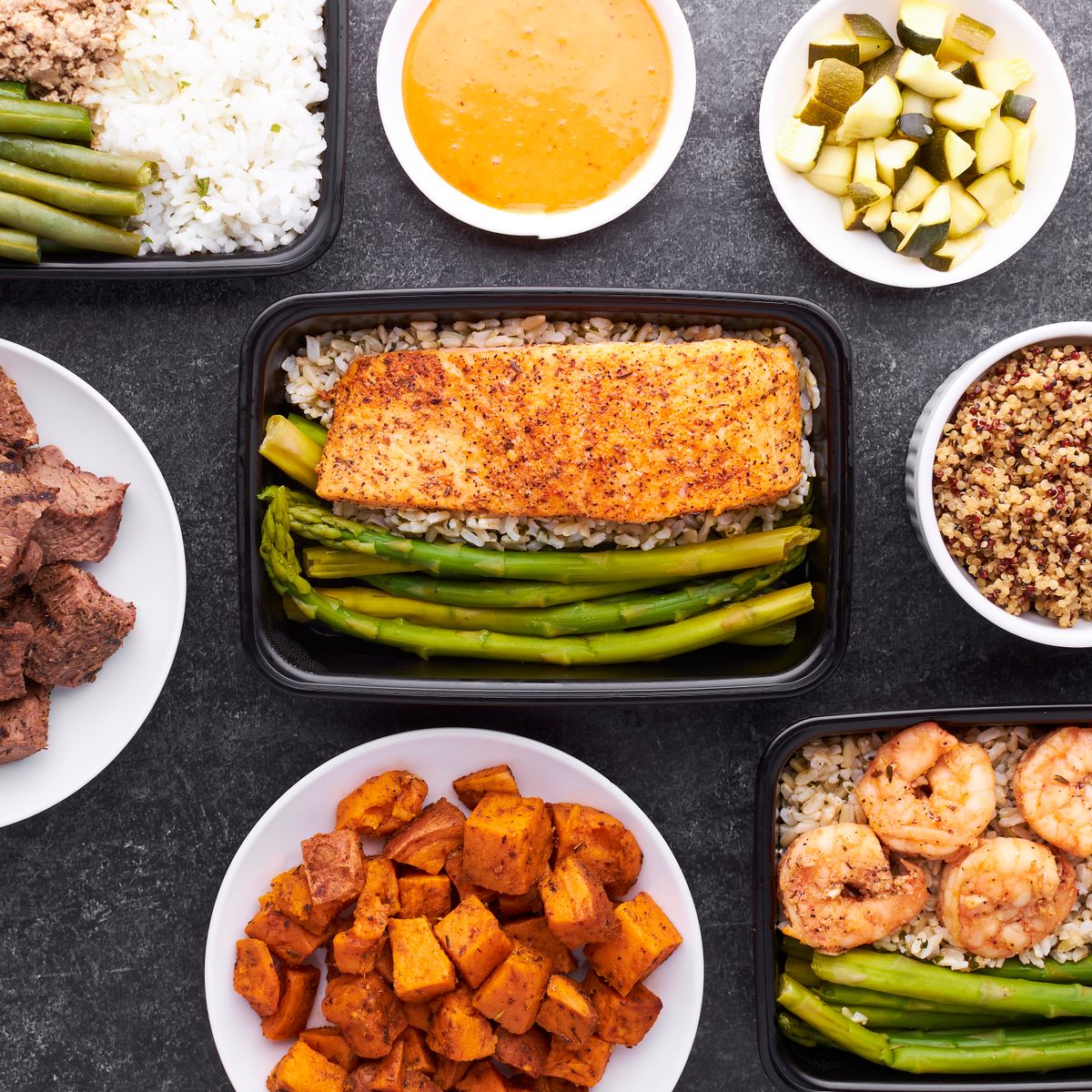
Rules of a diabetic-friendly plate
Half your plate should be non-starchy vegetables, one quarter should be a protein source, and the remaining quarter is your complex carbohydrate. Add a small portion of healthy fat — ghee, olive oil, nuts or seeds — to slow glucose absorption further. Pair every carbohydrate meal with either vinegar (in salad dressing), curd, or paneer. This simple pairing can blunt a post-meal sugar spike by 20 to 30 percent without any medication change. Also aim to walk 10 to 15 minutes right after your heaviest meal — this alone flattens the glucose curve dramatically.
Breakfast winners
Vegetable oats upma with peanuts and a boiled egg on the side; moong dal chilla stuffed with paneer bhurji; besan chilla with mint chutney and curd; two-egg omelette with jowar toast and avocado; overnight chia pudding with unsweetened almond milk topped with a few berries. All keep post-breakfast glucose within safe limits and provide sustained morning energy.
Lunch and dinner winners
Millet khichdi with generous ghee and mixed vegetables; grilled paneer or chicken tikka with sauteed spinach and one bajra roti; ragi dosa with sambar and coconut chutney; rajma or chana curry with hand-pounded brown rice in a controlled portion; fish curry with cauliflower rice; palak paneer with two phulkas and salad; egg curry with jowar roti and cucumber raita. Match the carbohydrate to your activity — smaller portion at dinner, larger portion around workouts.
Smart snacks and sweet fixes
Roasted chana and green tea; homemade paneer-and-cucumber sandwich on multigrain; buttermilk with roasted cumin; sattu drink with a squeeze of lemon; a bowl of curd with flax seeds. For a sweet fix, one square of 85 percent dark chocolate with two walnuts, a small bowl of unsweetened greek yogurt with berries, or one date stuffed with almond butter. These satisfy without pushing sugars up.
Monitoring the right numbers
Do not fixate on fasting glucose alone. Track HbA1c every three months, post-meal readings 90 minutes after your biggest meal, and average glucose using a continuous glucose monitor if your doctor recommends one. Look at trends over weeks, not daily peaks. A consistently improving trend is the real signal that your diet and lifestyle are on track.
Frequently asked
Get a plan built for you
Book a free 15 minute consultation with Dietitian Prachi and get a personalised path forward.