
Anti-Inflammatory Diet Plan (Indian Edition)
Chronic low-grade inflammation is behind most modern lifestyle diseases — from stubborn belly fat and insulin resistance to joint pain, skin issues, brain fog and cardiovascular disease. Fortunately, Indian cuisine is full of anti-inflammatory ingredients if you know how to structure meals.
Add generously every week
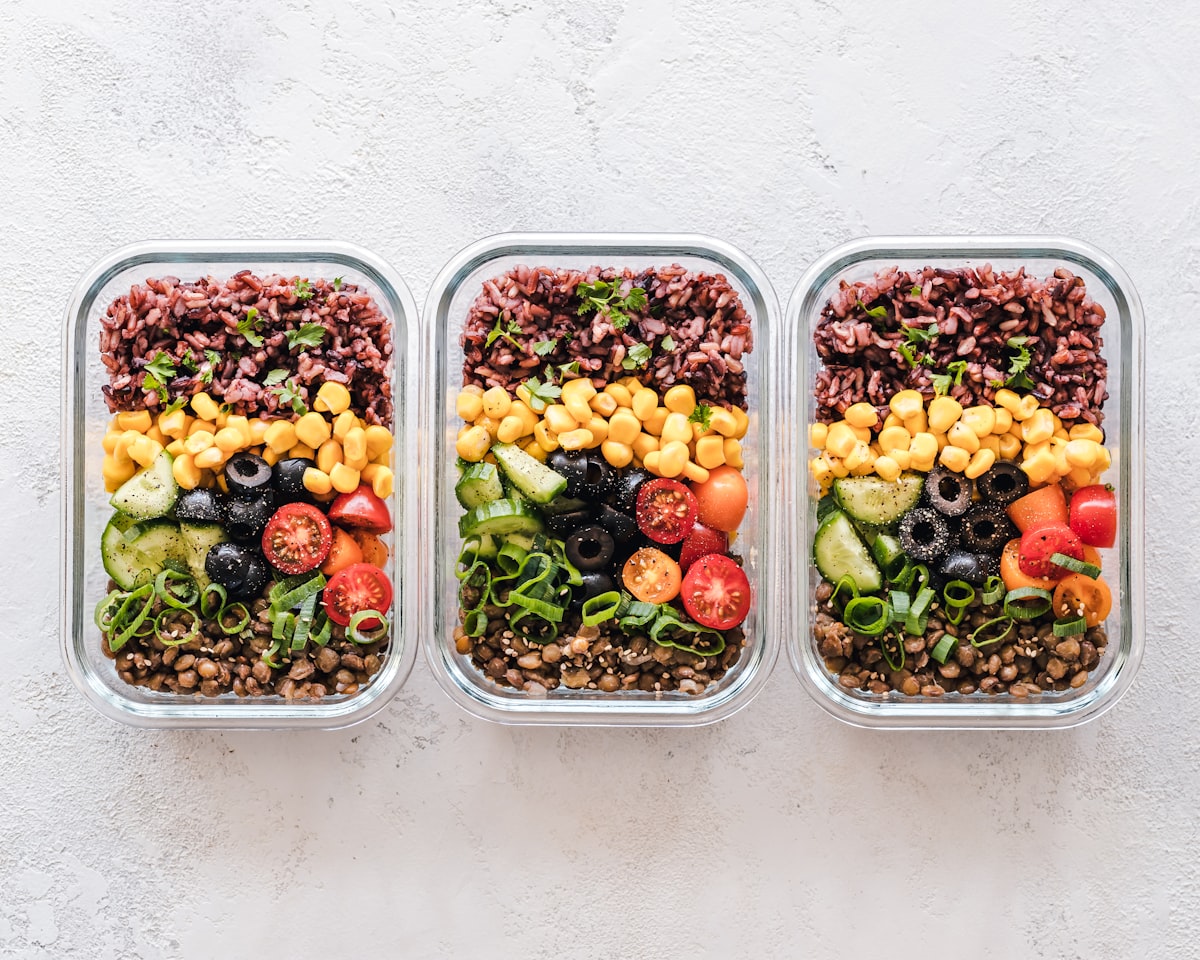
Turmeric with black pepper and a little fat for absorption; fresh ginger; garlic; amla (fresh or powder); tulsi tea; walnuts (rich in ALA omega 3); flax and chia seeds; colourful vegetables like beetroot, red cabbage, capsicum; berries and pomegranate when in season; and green leafy vegetables at least twice a day.
Reduce and eliminate over time
Repeatedly heated deep-fried oils, industrial refined oils in bulk, sugary drinks and sweets, ultra-processed packaged snacks, and processed meats. Alcohol beyond two to three drinks a week and smoking are both major inflammatory triggers. Even small reductions here compound into dramatic health gains.
A sample anti-inflammatory day
Morning: turmeric-lemon-ginger tea. Breakfast: overnight chia and oats with berries and walnuts. Lunch: dal with vegetable sabzi, jowar roti, salad with olive oil, and homemade curd. Afternoon: green tea with roasted chana. Dinner: millet khichdi with generous ghee and sauteed spinach. Before bed: warm turmeric milk with cardamom.
How to know it is working
Joint stiffness reduces within four weeks. Skin clarity improves within six to eight weeks. Belly bloating and puffiness reduce within two weeks. Blood markers like hsCRP drop by 30 to 50 percent within three months if you also cut alcohol and sugar. Track how you feel weekly, not daily.
Frequently asked
Get a plan built for you
Book a free 15 minute consultation with Dietitian Prachi and get a personalised path forward.